
How many units do you need?
Start with headcount and hours, not guesswork. OSHA 1926.51(c) sets the baseline for construction crews: one toilet for 20 workers or fewer, then one toilet seat and one urinal per 40 workers once you pass that number. Farm crews fall under a different rule; OSHA 1928.110 calls for one facility per 20 hand-labor employees, reachable within a quarter mile walk, which matters for spread-out sites outside Denver proper. Event planners should use a headcount-to-hour ratio instead, since ANSI/PSAI Z4.3 treats one visit a week as the baseline service interval for up to 10 users over a 40 hour week, not a fixed unit count. If you are still not sure, how many porta potties do I need walks through the math by event type, and OSHA portable toilet requirements covers the construction ratios in full. Denver Porta Pros sizes most residential jobs and small crews at one standard unit, then adds units as headcount climbs.
What type of unit fits the job?
A basic construction site wants a standard porta potty rental: a 60 to 70 gallon holding tank, a footprint around 44 by 48 inches, and a height near 92 inches. Weddings and office parties usually step up to a deluxe flushable porta potty with a flush mechanism and a sink. Any job with a worker or guest who uses a wheelchair needs an ADA accessible porta potty: ADA Standards section 213.2 requires at least 5 percent of clustered units to be accessible, never fewer than one, and section 304.3.1 calls for a 60 inch turning circle inside. Multi-day events in Denver with higher guest counts often do better with a restroom trailer rental instead, scaling from a 2 stall restroom trailer up to an 8 stall restroom trailer for larger crowds.
Where should units go on site?
Placement decides how well the rest of the checklist works. Units need a stable, firm, slip-resistant surface under ADA Standards section 302.1, and a clear path at least 36 inches wide per ADA Standards section 403.5.1 if anyone needs accessible entry. Door openings on ADA units meet a 32 inch minimum clear width under ADA Standards section 404.2.3. Keep units close enough to the work zone that breaks stay short, but leave the 60 feet of straight clearance a roll-off delivery truck needs if you are also bringing in a roll-off dumpster rental for the same job. Placement in Denver's public right of way needs confirming with the city before delivery day; check the porta potty placement guide and porta potty permit requirements pages before you commit to a spot on a sidewalk or street.
When should you book and how long should you rent?
Book as soon as your date is set, especially for weekend events, since short-term rates run higher than week-long or monthly terms. A standard unit runs in the range below depending on how long you keep it:
| duration | typical price range |
|---|---|
| day | $100 - $350 |
| weekend | $125 - $400 |
| week | $130 - $500 |
| month | $125 - $325 |
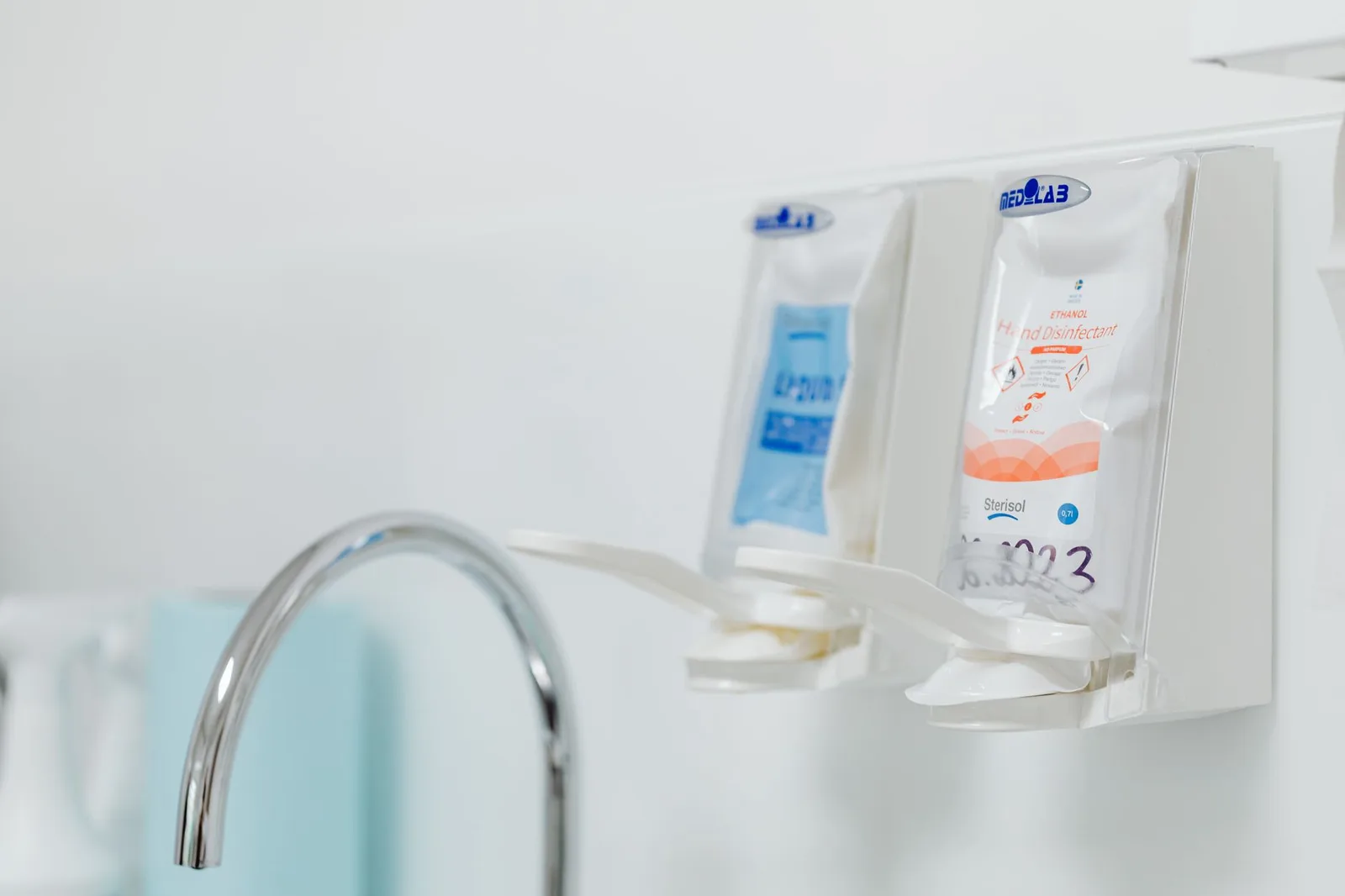
Longer construction jobs do better on a monthly porta potty rental than repeated daily bookings. For a one-day job, check porta potty rental per day pricing, and for full cost breakdowns by scenario, see porta potty rental cost. Servicing frequency matters too: 29 CFR 1910.141(d)(2) requires soap and towels or a hand-drying device at washing facilities, not sanitizer alone, so pair any unit with a handwashing station rental rather than assuming hand sanitizer covers the requirement.
Denver crews running paint, coatings or pesticide work trigger a separate rule: OSHA 1926.51(f)(1) requires washing facilities specifically where paints, coatings, herbicides or insecticides are applied. A portable sink rental or hand sanitizer station rental alone will not satisfy that requirement; you need actual washing facilities with soap and towels.
If your Denver job needs more than a toilet, this checklist rolls into the bigger picture: temporary fencing, a light tower, or a storage container often ship in the same order. See construction site services for the full lineup, or check temporary fence rental and storage container rental if your site plan calls for either.
How far in advance should I book a porta potty in Denver?
Two weeks out is safe for most jobs; weekend events and holiday windows fill faster. Emergency same-day delivery is sometimes possible. If your event or job start date moved up unexpectedly, check emergency porta potty rental rather than assuming a standard order will land on time.
Do I need an ADA unit even for a small crew?
Yes, if anyone on site or at the event uses a wheelchair. ADA Standards section 213.2 requires at least one accessible unit in any cluster, regardless of total headcount. Review ADA restroom requirements before finalizing your order.
How often does a standard unit get serviced?
Weekly service is the baseline for moderate use under the ANSI/PSAI Z4.3 standard. High-traffic construction sites or multi-day events often need more frequent visits. See how often are porta potties cleaned for details on adjusting the schedule.
What if my site has no paved access for delivery?
Flag it when booking. Roll-off and trailer deliveries need roughly 60 feet of straight clearance behind the truck, and tight or unpaved lots in Denver sometimes need a different unit placement. Call ahead so the driver can plan the route.
Can I add a handwashing station to my porta potty order?
Yes, and most Denver jobs should. A standalone toilet does not meet 29 CFR 1910.141(d)(2), which requires soap and a drying method at washing facilities. Bundle a handwashing station rental with your toilet order at booking.
Next step
Get a delivery date
Tell us the address, the dates and the headcount. We size the order and confirm the route.