
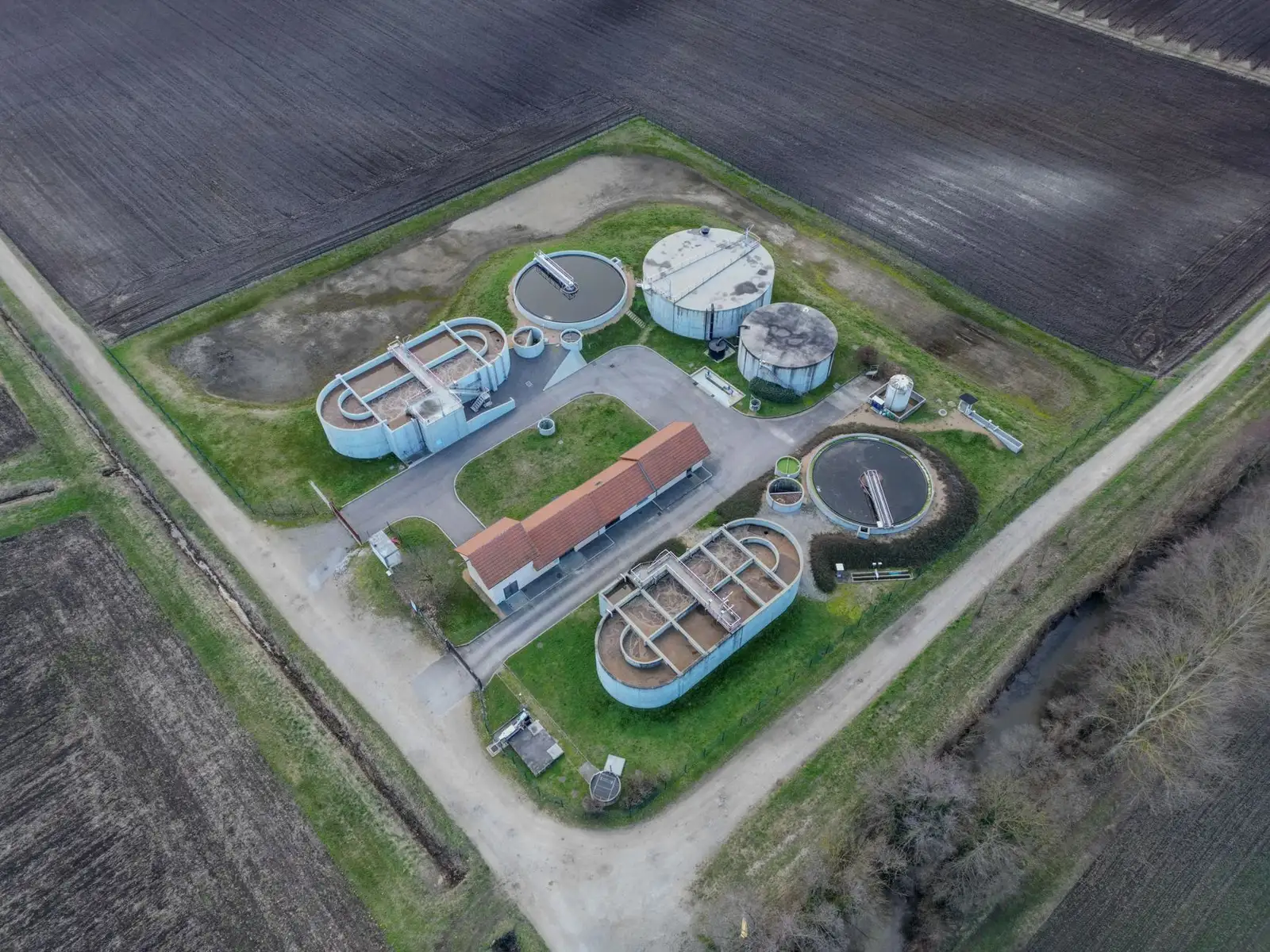
How Much Does Septic Tank Pumping Cost?
Straight day-rate pumping in Denver falls between $150 and $300, and most households land in the middle of that band. Weekend calls run $50 to $150 on top of the base visit, since crews are working outside a normal Monday through Friday schedule. The number moves with tank size, how deep the tank sits, and whether the crew has to dig to find the lid before anything can start. A 1,000 gallon tank that has never been mapped costs more to service than one with a riser already installed, because locating it eats labor time. Denver Porta Pros quotes the job after a quick phone walkthrough, not a flat number pulled from a brochure. If your property already has drainage or holding needs beyond the tank itself, a holding tank rental can bridge the gap while work gets scheduled. Homes on well-maintained systems with easy access tend to sit at the low end of the range, while properties with landscaping over the tank, buried risers, or a lid that has not been opened in years push toward the high end. Get a firm number before the truck rolls by requesting a quote rather than guessing from an average.
| service | duration | low | typical | high |
|---|---|---|---|---|
| septic pumping | day | $150 | $250 | $300 |
| septic pumping | weekend | $50 | $100 | $150 |
What Drives Septic Tank Cleaning Prices Up or Down?
Access is the biggest swing factor. A tank with an exposed riser costs less to service than one buried under a deck or a flower bed, because digging adds labor before the pump truck can even start. Tank size matters too: a 1,000 gallon tank pumped on a normal 3 to 5 year cycle is a routine job, while a tank that has gone a decade without service often has more solids built up, which slows the pump-down and can push the visit toward the higher end of the day-rate band. Grease and solids matter on the commercial side as well. A grease interceptor typically gets pumped once fats, oils, grease and solids reach 25 percent of the liquid depth, and if your property runs a kitchen, a separate grease trap pumping visit may be worth scheduling alongside the tank. Distance also factors into route pricing across the Denver service area; a job 7.4 miles out near Glendale or 8.2 miles north toward Derby sits on a normal route, while jobs further out, like the 19.4 miles to Centennial or 21.9 miles to Littleton, may carry a small routing adjustment. Ask directly when you book.

How Often Should a Septic Tank Be Pumped?
Most residential tanks in the Denver area need pumping every 3 to 5 years, and that range is driven mainly by tank size relative to household size. A larger household putting more water and waste through a smaller tank will need service closer to the 3 year mark, while a small household with a generously sized tank can often stretch toward 5. Waiting past that window is where costs creep up, since solids compact and the pump-out takes longer. For a full breakdown of what pushes you toward one end of that range or the other, see how often to pump a septic tank. If you are noticing slow drains, gurgling, or standing water near the drain field, do not wait for the calendar; check the septic tank warning signs page and get a technician out before a slow problem becomes an emergency septic service call, which almost always costs more than a scheduled visit.
Is Septic Pumping Cheaper Than Waiting for a Backup?
Yes. A scheduled pump-out on the normal 3 to 5 year cycle costs less than an emergency call, because emergency work often means a technician finding a backed-up line, standing wastewater, or a saturated drain field on top of the tank service itself. Backups also risk contaminating the yard or, worse, plumbing inside the house, which turns a one-visit job into a multi-step cleanup. Denver Porta Pros treats routine septic pumping service as the cheaper path every time, and recommends pairing it with periodic septic tank cleaning rather than waiting for symptoms. If you are building out a property that will need ongoing servicing, whether it is a home with a large family or a working farm with year-round demand, check farm and agricultural restrooms for how septic service fits alongside portable sanitation on working land.

Where Do I Find Septic Tank Pumping Near Me in Denver?
Denver Porta Pros services the Denver metro directly and the towns around it on the same routes. That covers Glendale 7.4 miles southwest, Four Square Mile 7.6 miles south, Derby 8.2 miles north, North Washington 8.6 miles northwest, and Holly Hills 9.1 miles south, plus longer routes out to Englewood, Arvada, Centennial, Broomfield and Littleton, all around 17 to 22 miles from central Denver. Check the full list on service areas or search your specific town, including porta potty rental in Englewood or porta potty rental in Arvada, if you need portable sanitation alongside septic work on the same site. For general company details, visit about or reach the office through contact.
How much does a 1,000 gallon septic tank pumping cost?
A 1,000 gallon tank is the most common residential size, and pumping it typically falls within the standard day-rate band above. The exact number depends on access and how long since the last service. Tanks buried under landscaping or lacking a riser cost more to reach. Ask for a quote with your tank size and last-pumped date in hand.
How do I know if my septic tank needs pumping now?
Slow drains, gurgling pipes, sewage odor near the drain field, or standing water in the yard are signs it is overdue. Do not wait through those symptoms. A same-week septic pumping service call is cheaper than letting a backup develop into a bigger cleanup.
Does tank size change the price more than access does?
Access usually matters more. A hard-to-reach tank, buried lid, or deep riser adds labor time before the pump truck starts working, often more than the jump from a smaller to a larger residential tank. Ask what your property's access looks like before assuming size alone sets the price.
Can I schedule septic pumping on a weekend in Denver?
Yes, weekend service is available and priced separately from weekday day-rate work, generally running higher since it is scheduled outside the normal work week. If timing is flexible, a weekday appointment is usually the lower-cost option.
What happens if I skip a scheduled pumping cycle?
Skipping the 3 to 5 year cycle lets solids build up, which slows the eventual pump-out and raises the odds of a backup. A missed cycle often turns into an emergency septic service call, which costs more than staying on schedule would have.
Next step
Get a delivery date
Tell us the address, the dates and the headcount. We size the order and confirm the route.