What do we bring for a disaster response?
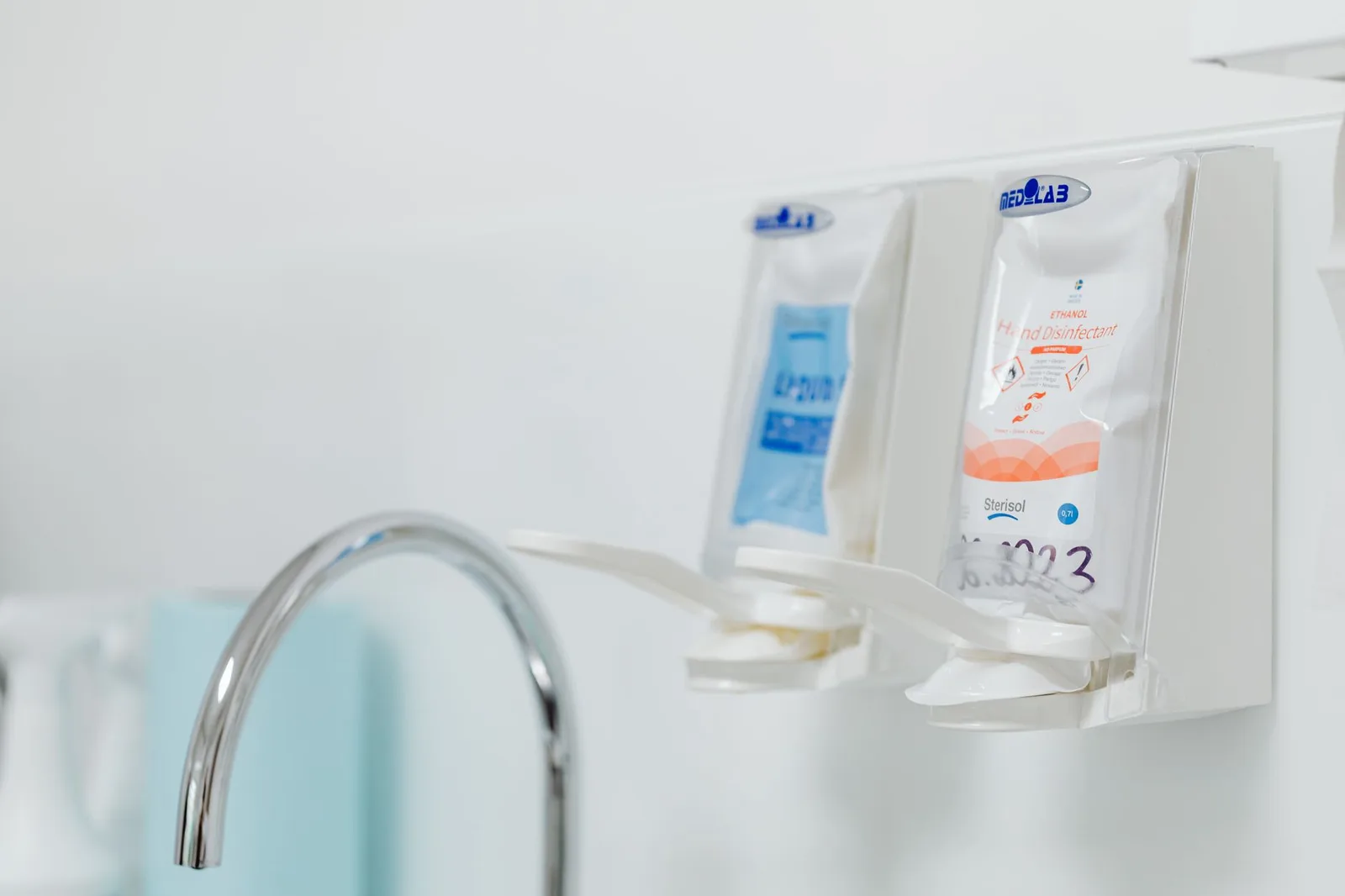
Fast deployment matters more than a fancy unit. For most emergencies we roll out standard portable toilets because they set up quick and hold 60 to 70 gallons per tank, enough to carry a household or small shelter for several days without a pump-out. Each unit measures about 44 by 48 inches on the ground and stands roughly 92 inches tall, so they fit tight driveways, parking strips and staging lots without much site prep. If the response includes a shelter or command post with limited mobility residents, we pull from our ADA accessible porta potty stock, sized to ADA Standards 304.3.1's 60 inch turning circle and the 36 inch clear route required under ADA Standards 403.5.1. Longer-term shelter operations, especially ones running more than a couple weeks, often shift to a restroom trailer rental once the immediate crisis stabilizes, since trailers give responders and displaced families flushing fixtures instead of a basic chemical toilet. We pair every deployment with handwashing station rental units, because disaster zones are exactly where 29 CFR 1910.141(d)(2)'s requirement for soap and towels or a hand-drying device stops being a technicality and starts mattering. For sites without running water at all, a portable sink rental covers the gap. We can also bring temporary fence rental panels to secure a staging area or keep foot traffic off an unstable structure while crews work.
How fast can Denver Porta Pros respond to an emergency?
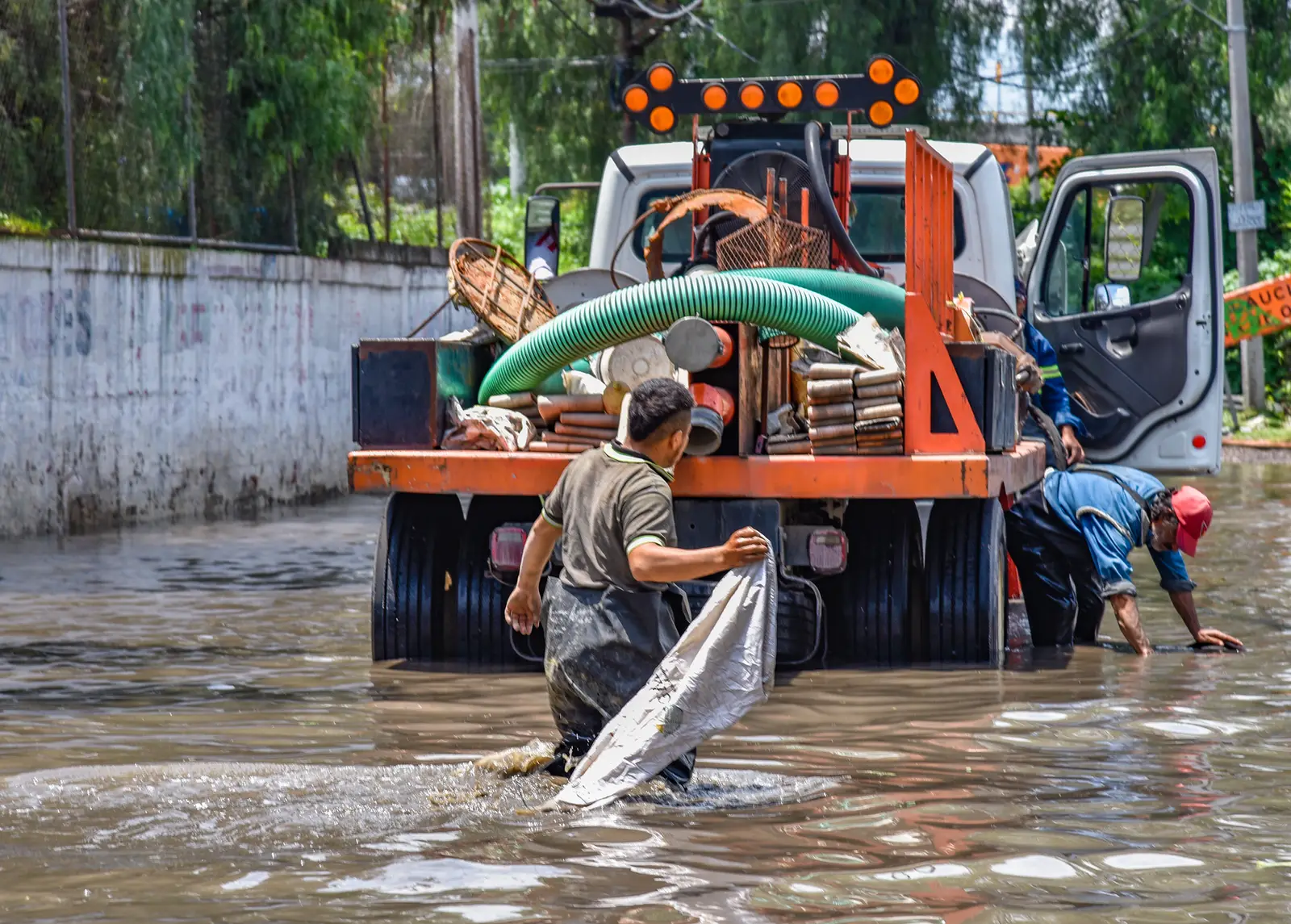
Most emergency calls in Denver get a truck moving the same day, sometimes within hours if the request comes in during business hours. Response speed depends on how many units a disaster needs and how fast the site is accessible. A single-family flood cleanup might need just one or two emergency porta potty rental units delivered to a driveway. A multi-block outage or a shelter standing up at short notice needs a coordinated delivery of a dozen units or more, plus the ADA-compliant fraction required under ADA Standards 213.2, which calls for at least 5 percent of any clustered group to be accessible units, never fewer than one. We scope that out fast over the phone so trucks are not guessing at counts once they arrive. If the emergency also knocked out a septic system, we run septic pumping service alongside the toilet delivery, and if a holding tank is what the site actually needs instead of a toilet, we offer holding tank rental too. Debris cleanup almost always follows a disaster, so a lot of our emergency calls turn into a roll-off dumpster rental request within the same week, once residents start hauling out ruined drywall and flooring.
Where do disaster relief units usually get placed in Denver?
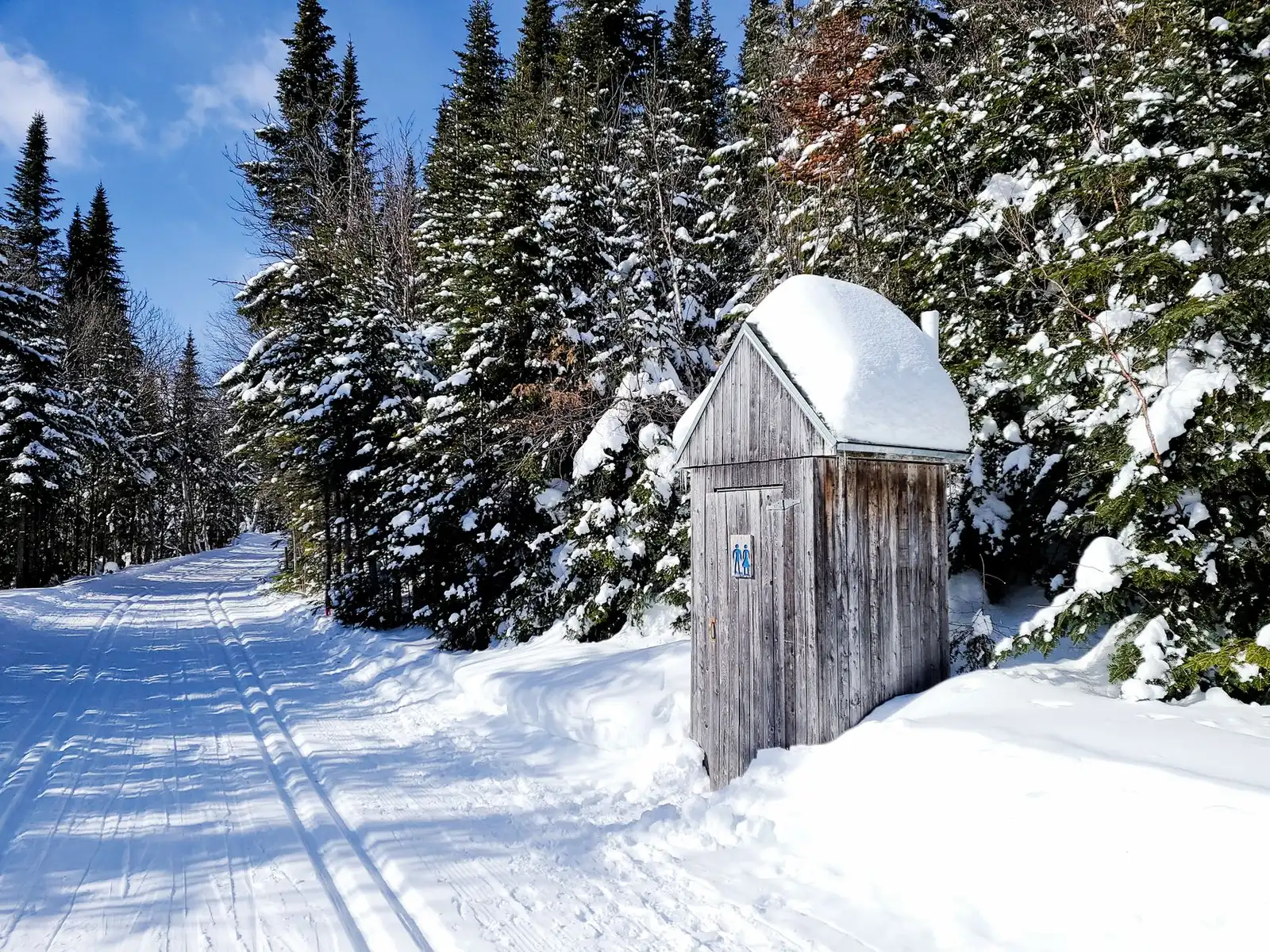
Placement depends on access, not just proximity to the affected building. A roll-off delivery needs about 60 feet of straight clearance behind the truck, which rules out a lot of alley placements after a storm knocks down fencing or debris blocks a lane. For portable toilets, porta potty placement guide rules still apply even in an emergency: units need a stable, level surface, consistent with ADA Standards 302.1's requirement that ground surfaces be firm and slip resistant, and a 32 inch clear door opening per ADA Standards 404.2.3 if the unit needs to serve someone using a mobility device. If the disaster site sits in Denver's public right of way, like a blocked sidewalk or a curb lane used for staging, placement there needs confirming with the city before delivery, since we cannot cite a specific right-of-way rule without checking first. For crews working outside Denver proper, we service Glendale about 7.4 miles southwest, Derby about 8.2 miles north and North Washington about 8.6 miles northwest, so a regional disaster affecting several towns at once does not mean waiting on a single truck. Larger disaster staging sites sometimes need light tower rental units for nighttime work and a temporary power pole if the grid is down. Longer relief operations that stretch past a few weeks may also need storage container rental for supplies or a mobile office trailer rental for command staff.
How much does emergency porta potty service cost during a disaster?
Standard units typically run $100 to $350 a day depending on urgency and how many trucks the response needs. Multi-week deployments price closer to weekly or monthly rates. Full detail is on the porta potty rental cost page, and per-day breakdowns are on porta potty rental per day.
Do disaster relief sites need ADA accessible units?
Yes, if units are clustered for shelter or public use. ADA Standards 213.2 requires at least 5 percent of a cluster to be accessible, never fewer than one unit. Shelters serving elderly or injured residents often need a higher ratio in practice.
Can Denver Porta Pros handle a multi-site disaster response?
Yes. We coordinate deliveries across several locations at once, including nearby towns like Englewood, about 17.8 miles southwest, or Arvada, about 19.4 miles west. Call ahead with unit counts so trucks route efficiently.
What happens if a septic system fails during a disaster?
We dispatch emergency septic service to pump and stabilize the tank. A typical residential tank is pumped every 3 to 5 years normally, but disaster-related flooding can force an out-of-cycle pump sooner.
Do you provide handwashing stations without a full restroom order?
Yes, standalone handwashing stations are common in disaster response. They satisfy 29 CFR 1910.141(d)(2)'s soap and towel requirement and can deploy faster than a full restroom trailer when time matters more than comfort.
Next step
Get a delivery date
Tell us the address, the dates and the headcount. We size the order and confirm the route.