
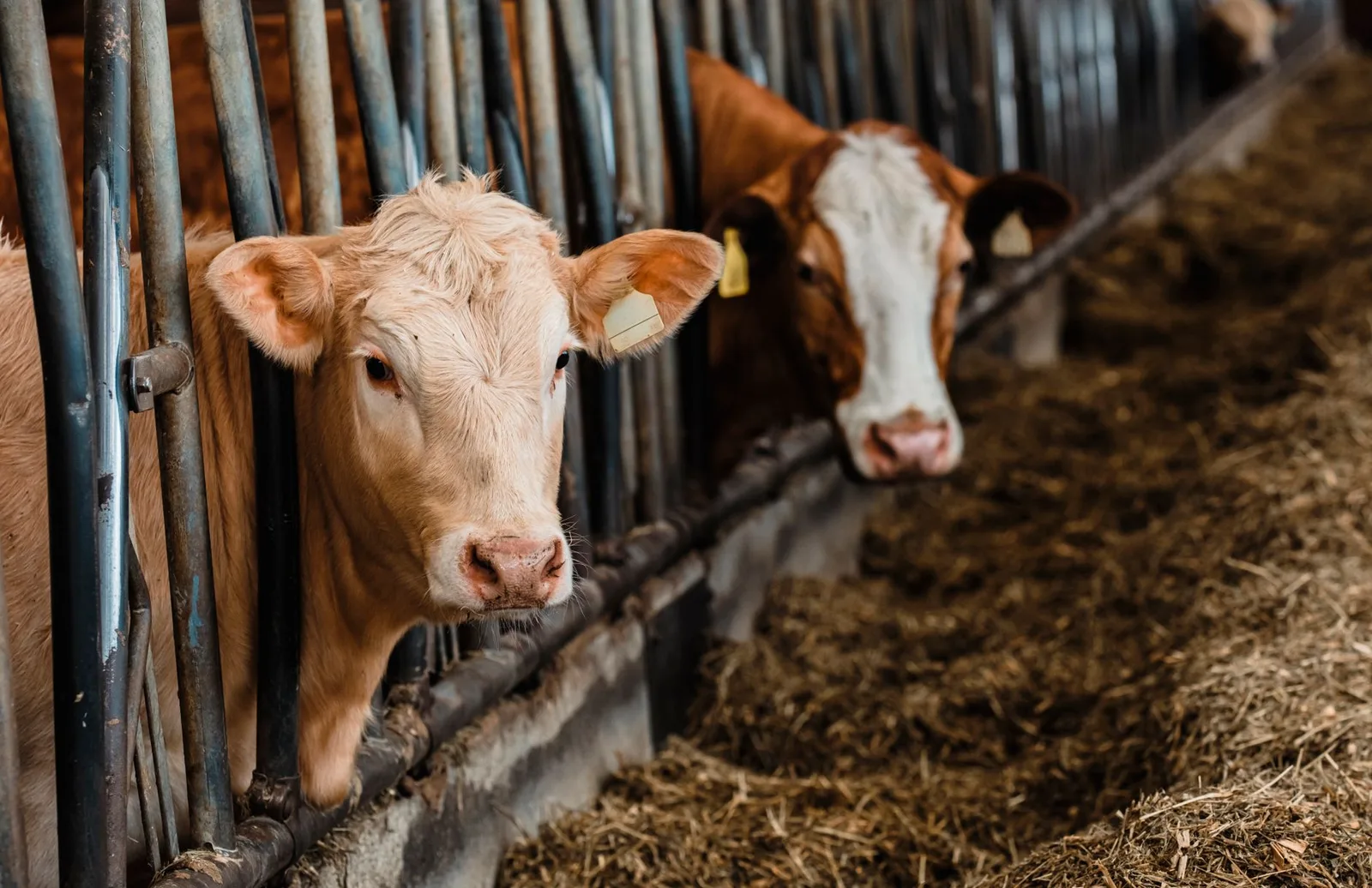
How many restrooms does a farm crew need?
Field sanitation rules do not care how pretty the barn is. They care about headcount and distance. Under OSHA 1928.110, agricultural operations with hand-labor employees need potable water, toilets and handwashing available at one facility per 20 workers, and that facility has to sit within a quarter mile of where people are actually working, not back at the equipment shed. For a Denver operation running crews across multiple fields, that usually means more than one unit, moved as the crew moves. A single standard porta potty rental holds a 60 to 70 gallon tank and stands about 92 inches tall, small enough to fit on a flatbed and drop at a field edge. Larger operations, or those bringing on seasonal labor during harvest, often ask us to work from a headcount plan similar to what a construction site would use under OSHA 1926.51(c): one unit for crews of 20 or fewer, scaling up from there. We help Denver growers figure out the right count before delivery, not after a crew complains. Check our porta potty placement guide for how we choose spots that stay accessible after a rain. If your operation packs produce on site, pair the toilets with a proper handwashing station rental, since 29 CFR 1910.141(d)(2) requires soap and towels or a dryer at any handwashing setup, and hand sanitizer alone does not satisfy that.
Where should units go on a working farm?
Ground conditions decide more than preference does. A unit needs stable, level footing, and irrigation runoff or loose soil near a field edge can undercut a base fast. Roll-off and delivery trucks need about 60 feet of straight clearance to set equipment down safely, which matters on farms with tight access roads or gated pasture entries. We route our Denver trucks around harvest schedules and field rotations, and we will scout the property before quoting if the driveway situation looks tricky. For crews spread across several fields on the same parcel, we often stage a mix: a portable toilet rental near the pack shed and a lighter unit trailered out to a distant field. Distance matters here too. A farm 8 miles out past Four Square Mile or up toward Derby, 8.2 miles north of Denver, still falls inside our normal service routing, same as a property near Holly Hills, 9.1 miles south. If your farm also runs a market stand or agritourism event, look at our festival restroom rental and county fair restrooms pages, since foot traffic from visitors changes the unit count fast. Operations that need something nicer for a farm wedding or open house should check the deluxe flushable porta potty or a small 2 stall restroom trailer.
Do farms need septic or holding tank service too?
Most working farms already run a septic system for the main house or bunkhouse, and that system needs attention on its own schedule, separate from portable units in the field. A residential septic tank is typically pumped every 3 to 5 years, depending on tank size and household size, and a farm with a full bunkhouse crew during season can push that timeline faster than a quiet off-season month suggests. If you are not sure where your tank stands, our septic tank warning signs page covers the signals worth watching. For farms running a commercial kitchen, roadside stand, or dairy operation, a grease interceptor gets pumped once fats, oils, grease and solids reach 25 percent of the liquid depth, not on a fixed calendar. We handle both through septic pumping service and grease trap pumping, and for operations without a fixed tank at all, a holding tank rental covers temporary labor housing or a seasonal bunkhouse. Denver farms running remote wells sometimes need backup water too, which is worth planning alongside your toilet count rather than after the fact. If a storm or equipment failure knocks out your regular system mid-harvest, our emergency septic service and emergency porta potty rental lines exist for exactly that gap.
| unit | duration | typical price |
|---|---|---|
| standard | day | 150 |
| standard | week | 200 |
| standard | month | 200 |
| septic | day | 250 |
How much does a farm restroom rental cost per month?
Monthly standard unit rates for Denver farms run 125 to 325 dollars, most landing near 200. Season length, unit count and how far the field sits from our depot all move the price. Multi-month harvest contracts usually cost less per unit than short bursts of daily rentals. See monthly porta potty rental for the full breakdown.
Do we need an ADA unit for farm workers?
If your crew or visitors include anyone needing accessible facilities, yes. ADA Standards section 213.2 requires at least 5 percent of clustered single-user units to be accessible, with a minimum of one. Our ADA accessible porta potty units meet that standard for farm stands and agritourism events alike.
Can you service units during harvest without disrupting crews?
Yes. We schedule pumping and swaps around your crew's shift pattern, not ours. Tell us your harvest window and we route trucks early morning or after cutoff. Recurring service follows a weekly baseline similar to the ANSI/PSAI Z4.3 standard for a 40 hour work week.
What if our farm is outside normal delivery range?
Our trucks already reach towns like Arvada, 19.4 miles west, and Centennial, 19.4 miles south, so most Denver-area farms fall inside range. Call ahead if your property sits further out. Check service areas or request a quote for confirmation.
Do portable toilets work in winter for farm crews?
Yes, with adjustments. Cold slows tank breakdown and can freeze water lines on flushable units. We winterize tanks and adjust service frequency for Denver's cold months. See porta potty in winter for what changes.
Next step
Get a delivery date
Tell us the address, the dates and the headcount. We size the order and confirm the route.