
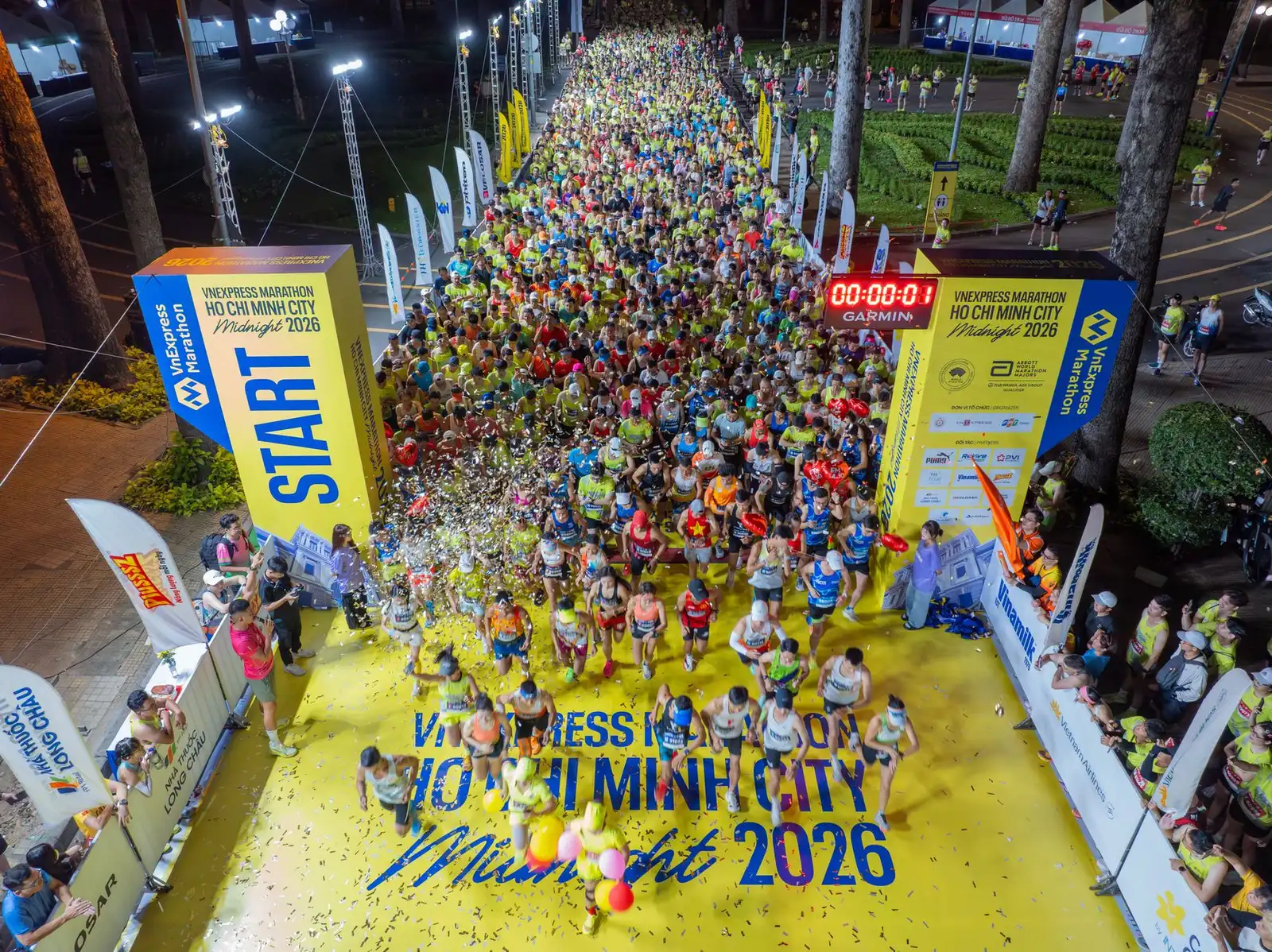
How many restrooms does a marathon need?
Start with OSHA 1926.51(c), the construction standard, as a floor: 1 toilet per 20 people for smaller groups. Races are different. Runners pass through in waves, not all at once, so you need restrooms spread along the marathon and race restrooms route, not stacked at one spot. A typical plan puts standard portable toilets every mile past the first 5K, with a bigger cluster at the start corral and another at the finish chute where runners linger. Aid stations with water or medical tents need at least one or two units each. If you're not sure where to start, our guide on how many porta potties you need walks through the math by headcount and event length.
ADA Standards section 213.2 requires that at least 5 percent of clustered single-user units be accessible, and never fewer than one. For a race with several restroom clusters along the course, that means an ADA accessible porta potty at the start, the finish, and any major aid station, not just one unit for the whole event. Spectators need restrooms too, especially near bleachers or a finish line festival area, so don't plan only around runners. Races that draw a big crowd sometimes upgrade the finish area with a deluxe flushable porta potty or two, since that's where people wait the longest.
What does restroom rental cost for a race?
Pricing depends on unit count, event length, and how spread out your course is. Race organizers usually book by the event or weekend rather than by the day, since setup and teardown both need coordinating with course marshals and road closures.
| unit | day | weekend | event |
|---|---|---|---|
| standard | $100-$350 | $125-$400 | $200-$800 |
| ada | $200-$400 | $199-$300 | - |
| trailer | $175-$2,500 | $900-$3,000 | $2,499-$3,899 |
Delivery adds a separate fee, generally $100 to $500 for a single day or $125 to $540 for a weekend load-in and pickup. Full porta potty rental cost details and a restroom trailer rental cost breakdown are on their own pages if your race is considering a nicer option for VIP or sponsor areas. A finish-line trailer with running water is a common upgrade for races that want something better than a standard unit for photo ops and awards.
Where should restrooms go along the course, and what about power?
Placement follows the route, not a fixed grid. Our placement guide covers ground stability and access, both of which matter more on a race course than a fixed job site because delivery trucks need roughly 60 feet of straight clearance to drop a unit near an aid station, and that space isn't always available on a closed street. Units need a flat, stable spot per ADA Standards section 302.1, which also applies to any accessible unit you place near a timing mat or finish corral.
If your race runs a light tower or timing equipment off a generator or a temporary power pole, bracing matters. A power pole set in loose ground near a turn or a crowd area can get bumped or wind-loaded during a long event, so guy it at two points minimum and anchor the base plate on solid ground, not on a temporary mat. Knowing how to brace a temporary power pole before race morning saves a scramble when timing equipment needs steady power all day. Pair that with a light tower rental for early starts or late finishes in Denver, when dawn corrals need visibility before sunrise.
Handwashing matters at aid stations, especially anywhere runners grab food. 29 CFR 1910.141(d)(2) requires soap and towels or a hand-drying device at wash stations, not just sanitizer, so a handwashing station rental belongs near any fueling stop. For races within Denver's closer suburbs, Glendale sits about 7.4 miles southwest and Four Square Mile about 7.6 miles south, both close enough for same-day delivery adjustments if your course changes. Races that also need trash support often add a roll-off dumpster rental at the finish festival for bottles and cups, or a short temporary fence rental run to manage crowd flow near the corrals, which pairs well with crowd control barrier rental for narrow finish chutes.
How far in advance should we book race restrooms?
Book as soon as your course map and headcount are set, ideally weeks out since race weekends often overlap with other city permits. Denver Porta Pros can usually accommodate late adds, but course-spanning placement takes more lead time than a single job site delivery.
Do we need separate restrooms for spectators and runners?
Yes, if your race draws a crowd. Spectator clusters at the finish line or near bleachers need their own units, separate from runner-only aid station restrooms, so nobody's stuck in a long line mid-race.
Can restrooms be moved if the course changes?
Units can be relocated before race day if you give notice. Once trucks are staged for race morning, moves get harder, so lock your course map early and flag any late changes right away.
What about a race that finishes with a festival or expo?
Add restroom count for the festival separately from the race count, since spectators linger longer than runners pass through. A festival restroom rental plan or extra event restroom rental units at the finish area usually covers it.
Do marathons need ADA accessible units?
Yes. ADA Standards section 213.2 requires at least one accessible unit per cluster, minimum 5 percent of units where clustered. Place them at the start, finish, and any major aid station, not just one for the whole course.
Next step
Get a delivery date
Tell us the address, the dates and the headcount. We size the order and confirm the route.