
How Many Porta Potties Do I Need for a Construction Site?
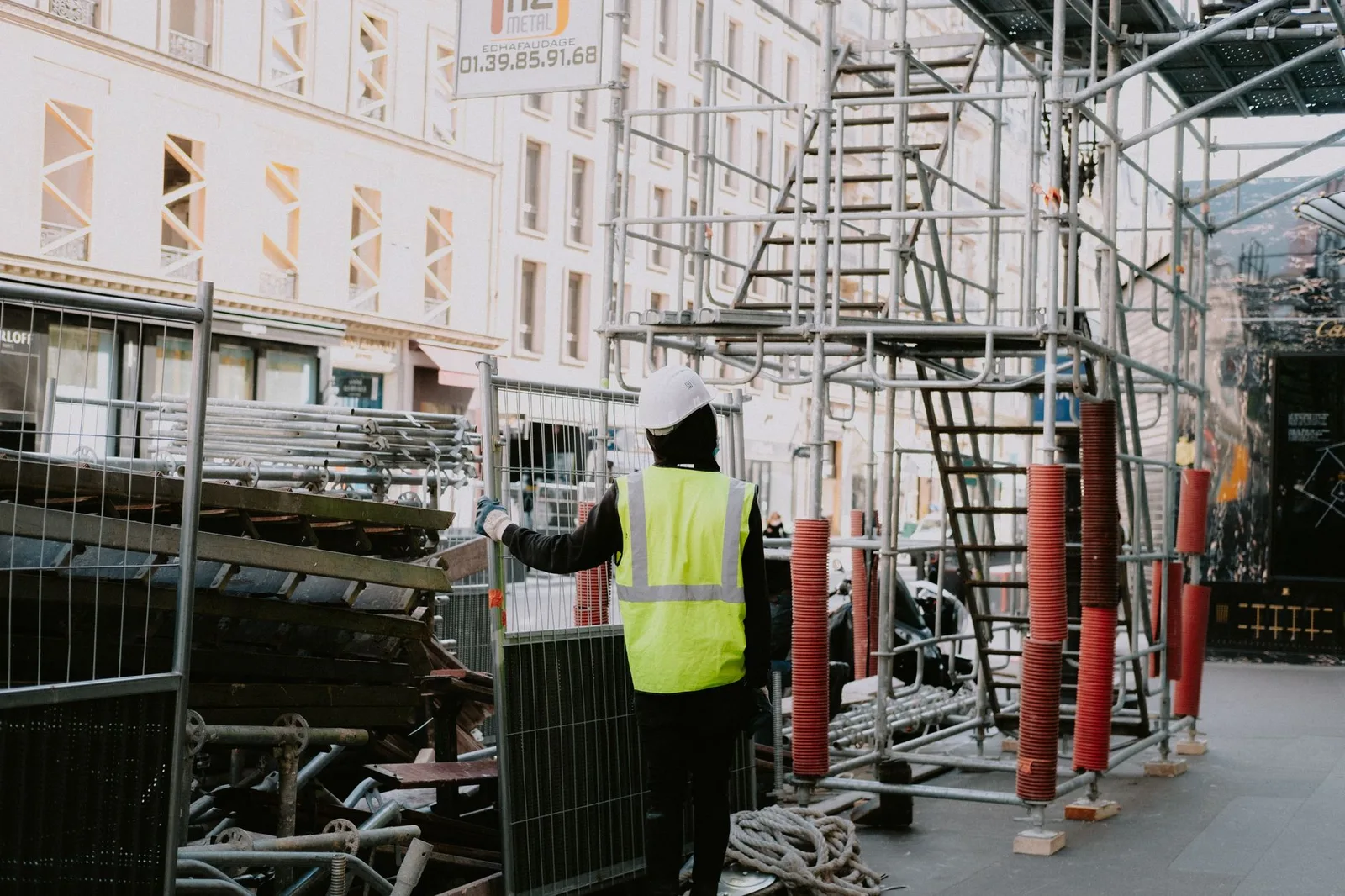
OSHA 1926.51(c) sets the jobsite table: 1 toilet facility for 20 workers or fewer, then 1 toilet seat and 1 urinal per 40 workers once you cross 20, dropping to 1 seat and 1 urinal per 50 workers once you hit 200 or more. A 15-person framing crew in the Baker neighborhood needs exactly one standard porta potty rental. A 60-person site pushes into the 40-worker bracket and needs two seats plus urinal coverage. Most Denver contractors just order standard porta potty rental units at the day rate shown on porta potty rental cost and add more as headcount grows. Multi-week jobs usually make more sense as a monthly porta potty rental instead of re-ordering weekly. If your trades use paint, coatings, herbicides or insecticides, OSHA 1926.51(f)(1) also requires washing facilities beyond the toilet count, which is where a handwashing station rental earns its spot on the invoice. Check full ratios on our OSHA Portable Toilet Requirements page before you finalize a delivery order.
How Many Porta Potties Do I Need for an Event?
Event math runs on guest count and hours, not worker brackets. A wedding of 150 guests over 5 hours in a Denver backyard or park generally needs 3 to 4 standard units, plus at least one ADA unit under ADA Standards section 213.2, which requires 5 percent of clustered single-user units to be accessible with never fewer than one. Add alcohol and the math shifts hard: drinking guests use restrooms roughly twice as often, so a dry event and a beer-garden event with the same headcount are not the same order.
| guests | hours | units (dry) | units (with alcohol) |
|---|---|---|---|
| 50 | 4 | 2 | 3 |
| 100 | 4 | 3 | 4-5 |
| 150 | 5 | 4 | 6 |
| 250 | 6 | 6 | 8-9 |
Multi-day festivals need servicing between days, not just more units up front. See event restroom rental for how Denver Porta Pros schedules that, and check festival restroom rental or concert restroom rental for venue-specific counts.
How Many Cubic Feet Are in a 10 Yard Dumpster?
A 10 yard dumpster holds about 270 cubic feet, and it runs roughly 12 feet long. That is a garage cleanout or a small bathroom remodel in Denver, not a full teardown. Weekly rates for the standard 10 yard dumpster rental sit well below the larger sizes, and homeowners doing a home renovation porta potty project often pair the two rentals on the same delivery. Check full sizing on dumpster sizes and dimensions before you commit, since curbside space in older Denver neighborhoods can be tight.
How Many Cubic Feet Are in a 20 Yard Dumpster and How Many Tons Does It Hold?
A 20 yard dumpster holds about 540 cubic feet and runs close to 22 feet long, with a typical weight capacity in the 2 to 3 ton range depending on the debris. Roofing shingles and concrete fill weight fast; a mixed household cleanout fills volume first. Denver crews doing kitchen demos or roof tear-offs default to a 20 yard dumpster rental because it splits the difference between the 10 yard box and the bigger 30 yard unit. Delivery needs about 60 feet of straight clearance behind the truck, so measure your driveway or alley access before booking. Full weight breakdowns live on dumpster weight limits, and permit questions for placing a roll-off on a Denver street belong on dumpster permit requirements, since right-of-way rules need confirming with the city and we name no specific ordinance here.
How Many Tons Can a 30 Yard Dumpster Hold, and What About 40 Yards?
A 30 yard dumpster typically holds 3 to 4 tons and runs about 810 cubic feet. A 40 yard dumpster typically holds 4 to 5 tons and runs close to 1,080 cubic feet, roughly 22 feet long and taller at the walls. Both sizes suit full construction teardowns more than residential cleanouts. A general contractor clearing a commercial lot near downtown Denver will usually order a 30 yard dumpster rental or step up to a 40 yard dumpster rental if the job includes concrete or heavy framing debris. Weight limits matter more than volume at this size; going over the ton limit triggers overage fees, so check dumpster weight limits and confirm what materials are barred on what cannot go in a dumpster before the truck rolls. Ongoing jobs across Denver often pair a roll-off with construction dumpster rental service and a jobsite toilet order in the same call.
Worked Example: A 60-Person Denver Job Site
Take a 60-worker commercial build in Denver running 10-hour shifts, six days a week. Under OSHA 1926.51(c), 60 workers falls into the 40-worker bracket above 20, meaning 1 toilet seat and 1 urinal per 40 workers, so this crew needs two combined seat-and-urinal setups at minimum. Add one ADA-accessible unit per ADA Standards section 213.2 if the site has any worker with a mobility need, and route a handwashing station rental near the break area to satisfy 29 CFR 1910.141(d)(2), which requires soap and a drying method, not sanitizer alone. If the crew is spraying coatings or sealants that week, 1926.51(f)(1) kicks in and washing facilities for that contaminant exposure get added on top, not folded into the base count. This site would order two standard porta potty rental units, one ADA accessible porta potty unit, and a handwash station, all billed on a weekly or monthly schedule depending on the project length shown on porta potty rental per day versus the monthly page.
Worked Example: A 250-Guest Denver Wedding with a Bar
A 250-guest wedding running 6 hours with an open bar needs 8 to 9 standard units plus at least one ADA unit, per the event table above and the ADA cluster rule in ADA Standards section 213.2. Swap two or three of those standard units for deluxe flushable porta potty units if the venue wants a nicer guest experience, or go with a restroom trailer rental instead, sized as a 4 stall restroom trailer for this headcount. A venue 7.4 miles southwest toward Glendale or 9.1 miles south near Holly Hills falls well within a standard Denver delivery radius, so distance rarely changes the unit count, only the delivery fee. Multi-day setups, like a Friday-to-Sunday wedding weekend, need a service visit scheduled per ANSI/PSAI Z4.3, which sets a baseline of one service per week for up to 10 users over 40 hours; a weekend event with 250 drinking guests blows past that baseline fast and needs a mid-event service call built into the quote from the start.
How many porta potties do I need per person?
For a dry event, plan on roughly 1 unit per 50 guests over 4 hours. Add alcohol and that ratio tightens toward 1 per 35 to 40 guests, since drinking guests use restrooms almost twice as often as guests at a dry event.
How many porta potties does OSHA require on a construction site?
OSHA 1926.51(c) sets a table: 1 toilet for 20 workers or fewer, 1 seat and 1 urinal per 40 workers from 20 up, and 1 seat and 1 urinal per 50 workers once a site reaches 200 or more employees.
How many cubic feet is a 40 yard dumpster?
A 40 yard dumpster runs close to 1,080 cubic feet and about 22 feet long. It suits large teardown and heavy commercial debris jobs more than a household cleanout, which usually fits a smaller 10 yard dumpster rental.
Does alcohol at an event actually change the unit count?
Yes. Drinking guests use restrooms more often than guests at a dry event, so a 150-guest wedding with a bar needs closer to 6 units instead of the 4 units a dry version of the same event would need.
How many tons does a 30 yard dumpster hold compared to a 20 yard?
A 20 yard dumpster typically holds 2 to 3 tons. A 30 yard dumpster typically holds 3 to 4 tons. Heavy debris like concrete or shingles fills the weight limit long before it fills the box.
Do I need an ADA unit even for a small event?
Yes, if units are clustered. ADA Standards section 213.2 requires at least 5 percent of clustered single-user units to be accessible, and never fewer than one, even for a modest guest count.
Next step
Get a delivery date
Tell us the address, the dates and the headcount. We size the order and confirm the route.