
What Does Septic Tank Cleaning Actually Involve?
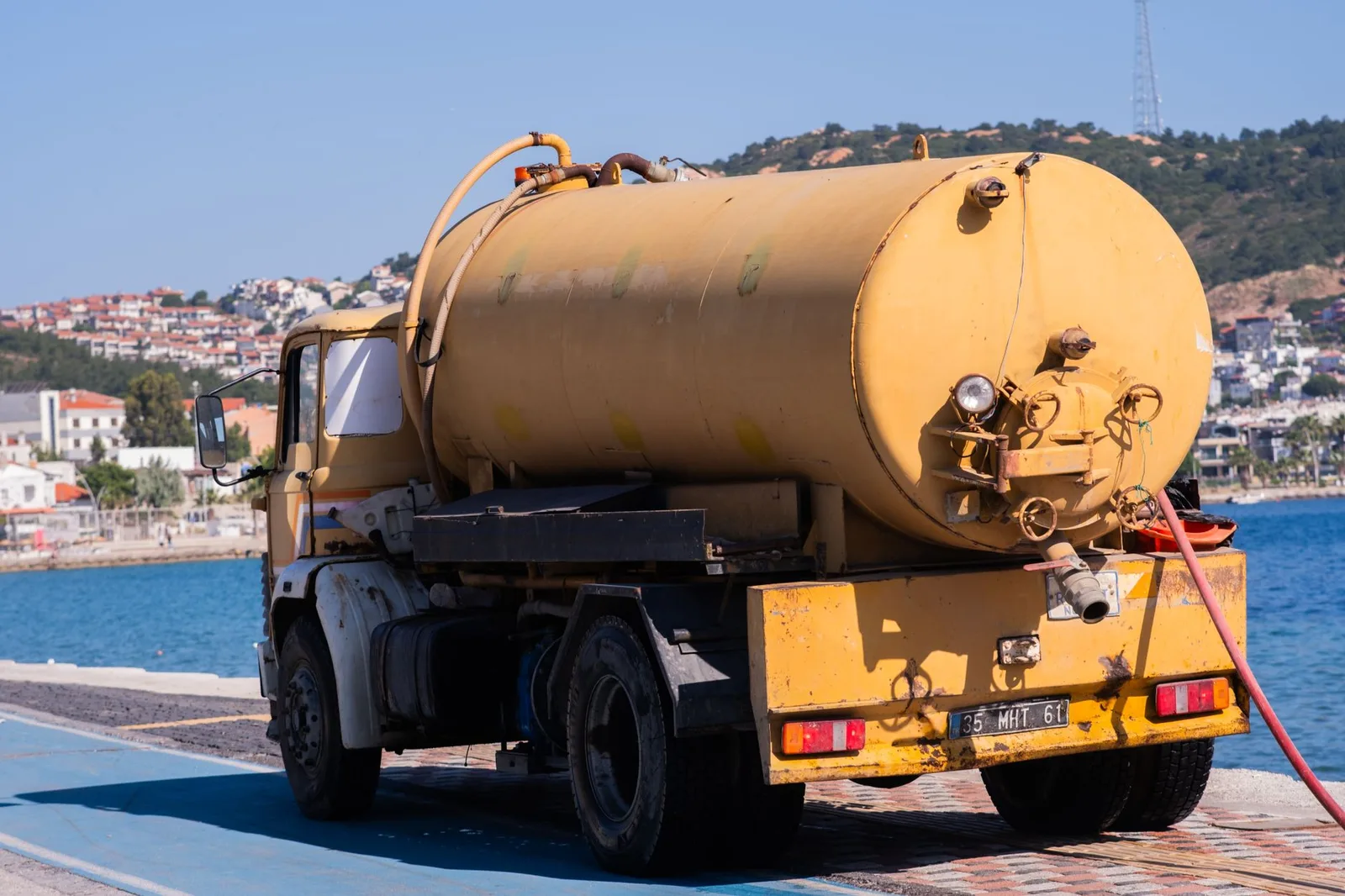
Cleaning goes further than pumping. A pump-out removes liquid and floating scum, but cleaning breaks up the sludge layer sitting on the bottom and clears any buildup near the outlet baffle. Denver Porta Pros checks the inlet and outlet tees, looks for cracks in the lid, and flags root intrusion before it becomes a backup, the same kind of thorough pass we bring to septic tank cleaning visits across the metro. This is also when we look at the septic tank warning signs that tell you the drain field is struggling, not just the tank. If your property runs a grease interceptor instead of a residential tank, that gets pumped on a different trigger. A grease interceptor is serviced once fats, oils, grease and solids reach 25 percent of the liquid depth, which is a separate schedule from grease trap pumping for restaurants and commercial kitchens across Denver. Homeowners searching for septic tank cleaning services or septic tank cleaning near me usually mean the full service: pump, scrape, inspect, and haul. We handle all four in one visit for most Denver properties as a complete septic tank cleaning service, and we coordinate around septic pumping service scheduling if you are on a maintenance contract already, and we can loop in a portable toilet rental or porta john rental if the bathroom is offline during the work.
How Often Should Septic Tank Cleaning Happen?
Every 3 to 5 years is the standard interval, and tank size versus household size decides where you land in that window. A larger tank with fewer people stretches toward 5 years; a smaller tank with a full house pushes toward 3. Denver Porta Pros tracks this for repeat customers so nobody has to remember a date on a calendar, and we can set up a handwashing station rental or portable sink rental if a bathroom is out of service during septic tank cleaning out. If you are unsure which end applies to your property, our page on how often to pump a septic tank walks through the math with real examples. Waiting past the interval is where cleaning septic tank filter components gets expensive, because a clogged effluent filter forces solids further into the drain field than they should ever travel. That is a repair job, not a cleaning job, and it costs more, which is why knowing the cost septic tank cleaning runs before you skip a cycle usually pays for itself, and it is worth reading our septic tank cleaning page before you decide to wait. Homes near Glendale, about 7.4 miles southwest of central Denver, and out toward Holly Hills, roughly 9.1 miles south, see the same pattern: skip a cycle, pay for a field instead of a pump-out.

What Does Septic Tank Cleaning Cost in Denver?
Pricing depends on tank access, tank size, and whether it is a routine visit or an emergency call. Below is what a standard septic service call runs.
| service | duration | typical price |
|---|---|---|
| septic pumping/cleaning | day rate | 250 |
| septic service | weekend | 100 |
A day-rate visit covers most single-family homes, and it reflects typical septic tank cleaning prices for the metro rather than a rock-bottom teaser rate. Weekend and after-hours work carries a different rate structure, and if your tank has not been touched in over 5 years, expect the visit to take longer because of extra sludge removal. For a broader breakdown of what drives septic tank cleaning price up or down, see septic tank pumping cost and our general how often to pump a septic tank guide, and check porta potty rental cost if you're budgeting site sanitation at the same time. If your system is failing outright, not just due, that is a different call: emergency septic service dispatches faster and prices accordingly.
Can I Clean a Septic Tank Myself?
No, not the tank itself. Entering or working inside a septic tank without proper equipment is dangerous, and the sludge layer needs a vacuum truck to remove safely. What a homeowner can do is watch for early warning signs, keep the lid accessible, and avoid running excessive water through the system during a scheduled cleaning window, similar to how a temporary power pole or light tower rental needs clear access on a job site. Some homeowners confuse a portable holding tank with a septic tank; if you are using a temporary setup during construction or a remodel, that is a different product entirely, covered under holding tank rental. For property owners managing septic and site sanitation together, like during a home addition, pairing service makes sense: check out home renovation porta potty options if you are also renting a unit onsite while the septic system gets serviced. Denver's older neighborhoods sometimes have tanks installed decades ago with limited access points, so Denver Porta Pros brings extended hose reach on most trucks to handle awkward yard layouts, the same problem-solving we apply on construction site services calls citywide.

Why Does Regular Cleaning Matter for My System?
Skipping cleanings shortens the life of your entire septic system, not just the tank. Solids that should stay in the tank get pushed into the drain field once the tank fills past capacity, and a clogged drain field is far more expensive to fix than a tank pump-out ever is. Regular cleaning protects that investment, the same way a roll-off dumpster rental or temporary fence rental protects a job site from unnecessary cost overruns. This matters whether you're in central Denver or out toward Derby, about 8.2 miles north, or North Washington, roughly 8.6 miles northwest, where a lot of properties still run on septic rather than city sewer. For farm properties and agricultural operations, sanitation needs often extend beyond just the house septic system; see farm and agricultural restrooms if you're managing worker facilities too, and pair that with a storage container rental if you need secure equipment storage onsite as well. And if you're weighing a full system replacement against continued cleaning cycles, that conversation starts with knowing your current tank's condition, which is exactly what a cleaning visit documents for you.
How do I know if my septic tank needs cleaning now?
Slow drains, gurgling pipes, and standing water near the drain field are the clearest signs. If it has been more than 5 years, schedule cleaning regardless of symptoms. Waiting for visible signs often means the drain field is already affected, not just the tank.
Is septic tank cleaning the same as pumping?
Not quite. Pumping removes liquid waste; cleaning also breaks up sludge and inspects components like the outlet baffle. Denver Porta Pros includes both in a standard service call, so you're not paying twice for two separate visits.
How much does septic tank cleaning cost in Denver?
A typical day-rate visit runs around 250 dollars, with weekend service priced separately at a lower rate band for shorter emergency calls. Cost varies with tank size, access, and time since the last cleaning. See our septic tank pumping cost page for a full breakdown.
Can I clean my septic tank filter myself?
Some effluent filters are homeowner-accessible for a quick rinse, but full tank cleaning requires a vacuum truck and trained crew. Attempting tank entry without equipment is dangerous. Call Denver Porta Pros to handle the filter and tank together during your scheduled visit.
How far will Denver Porta Pros travel for septic service?
We cover Denver and surrounding communities including Englewood, about 17.8 miles southwest, and Centennial, roughly 19.4 miles south. Check our service areas page for full coverage, or request a quote for your specific address.
Next step
Get a delivery date
Tell us the address, the dates and the headcount. We size the order and confirm the route.