What does OSHA require for handwashing on a job site?
OSHA 1926.51(c) sets the baseline: sanitation facilities, including a way to wash up, have to be available wherever people work. It is not just a courtesy add-on. If your crew is applying paints, coatings, herbicides or insecticides, 1926.51(f)(1) kicks in specifically for that contaminant exposure, and a plain porta potty setup will not satisfy it. You need a real washing station with soap and towels. 29 CFR 1910.141(d)(2) is the general industry parallel and it is specific: soap and towels or a hand-drying device, not a bottle of sanitizer clipped to a fence post. Denver contractors running mixed crews, framing one day and painting trim the next, often keep a handwashing station rental on site continuously rather than trying to time deliveries around the work. A hand sanitizer station rental is fine as a supplement near entrances, but it does not replace soap and water on a site where contaminants are in play. Pair the station placement with your porta potty placement guide so both sit along the same accessible route.
How many handwashing stations does a Denver site need?
There is no fixed federal ratio for stations the way there is for toilets. OSHA 1926.51(c) covers toilets with specific numbers, one seat for every 20 workers up to 20, then one seat and one urinal per 40 up to 200. Handwashing follows the same practical logic: place a station near each cluster of toilets so workers actually use it instead of skipping the walk. A site with a 200 amp temporary service and a couple of trailers is a different scale than a small residential remodel, and your construction site services plan should size accordingly. Denver crews building near Glendale, 7.4 miles southwest of downtown, or projects out toward Derby, 8.2 miles north, often run two or three toilet clusters across a large lot, each needing its own wash station. Ag operations fall under OSHA 1928.110, which sets a stricter mark: one facility per 20 hand-labor employees, reachable within a quarter mile walk. That standard applies to farm and agricultural restrooms work outside Denver proper too.
Where should a handwashing station be placed on site?
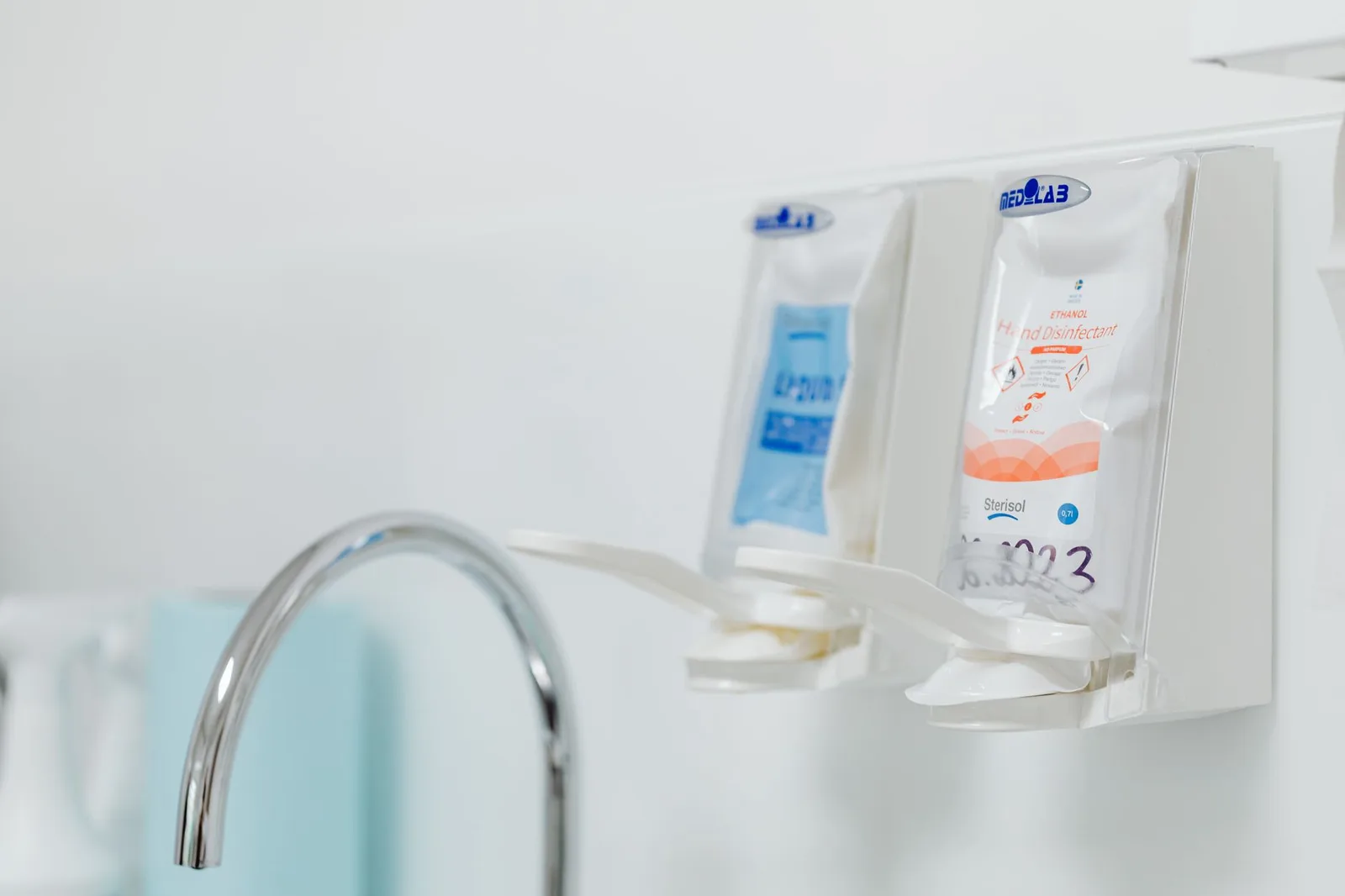
Put it next to the toilets, not across the lot. Workers skip handwashing when it means an extra walk, so keep the station within a few steps of wherever people are stopping to use the restroom. ADA Standards section 403.5.1 calls for a 36 inch clear route to any accessible fixture, and section 405.2 caps ramp slope at 1:12 if the ground is not level, both worth checking before final placement. A 60 inch turning circle under section 304.3.1 also matters if you are pairing the station with an ADA accessible porta potty. Surfaces need to be stable and slip resistant under section 302.1, which rules out setting a station on loose gravel or mud without a pad underneath. Denver winters add another wrinkle: freezing temperatures affect both toilet chemicals and standing water in a handwash unit, so check our porta potty in winter notes before a cold-weather job. Delivery access matters too. Roll-off and trailer deliveries need roughly 60 feet of straight clearance behind the truck, so plan station and dumpster placement together if you are also running a roll-off dumpster rental on the same site.
What does a handwashing station rental cost in Denver?
| duration | low | typical | high |
|---|---|---|---|
| day delivery fee | $100 | $150 | $500 |
| week delivery fee | $50 | $100 | $150 |
| month delivery fee | $120 | $172 | $420 |
Delivery fees vary by how far out the site sits and how long the rental runs. A short residential job near Holly Hills, 9.1 miles south of downtown Denver, costs less to service than a month-long build out toward Broomfield, 19.4 miles northwest. Bundling a station with a portable restroom rental order usually beats calling it in separately, since the truck is already making the trip. If you are budgeting a full site package, our porta potty rental cost and porta potty monthly rental pages break down toilet pricing the same way.
Does hand sanitizer count as handwashing?
No. 29 CFR 1910.141(d)(2) requires soap and towels or a hand-drying device; sanitizer gel does not meet that standard on its own. It works as a supplement near doorways or a portable sink rental station, but not as the sole handwashing setup.
Do event sites need handwashing stations too?
Yes, especially anywhere food is served. A festival restroom rental or county fair restrooms package should always include stations near food vendors. Check our event restroom rental guide for ratios by expected headcount.
Can I rent just a handwashing station without toilets?
Yes. Some Denver clients rent a portable sink rental unit alone for an existing bathroom setup that lacks a sink, or for outdoor food service. Standalone stations deliver on the same trucks as our other equipment.
How often does a handwashing station get serviced?
ANSI/PSAI Z4.3 sets a baseline of one service visit weekly for up to 10 users across a 40 hour week. Heavier-use sites, like a painting crew under 1926.51(f)(1), need more frequent refills of soap and water.
What is the difference between a handwashing station and a sink trailer?
A basic station is a standalone unit with a foot pump and tank. A restroom trailer rental or shower trailer rental includes built-in sinks with running water, better suited to longer events or larger Denver crews needing more capacity.
Next step
Get a delivery date
Tell us the address, the dates and the headcount. We size the order and confirm the route.