

Where should a porta potty go on a job site?
Pick flat, firm ground first. ADA Standards 302.1 calls for surfaces that are stable and slip resistant, and that is not just for accessible units, it is common sense for any porta potty on gravel or slope near Denver's spring mud. Keep a clear path at least 36 inches wide to the door, per ADA Standards 403.5.1, and make sure the door itself opens to at least 32 inches, per ADA Standards 404.2.3. A standard unit runs about 44 by 48 inches on the ground and stands close to 92 inches tall, so give it room away from low branches and scaffolding. If you're deciding between a standard porta potty rental and something nicer for staff or guests, check the deluxe flushable porta potty page before you plan the footprint. Wherever units cluster, at least 5 percent must be accessible under ADA Standards 213.2, so plan one ADA accessible porta potty into the layout early, not as an afterthought.
What clearance does the service truck need?
Our trucks need a straight approach to pump and swap tanks, and that same clearance rule matters again if you're adding a roll-off dumpster rental to the same site, since a roll-off delivery needs about 60 feet of straight clearance behind the truck. Leave that lane open and unblocked on service day. If you're not sure how the layout should work across a whole property, our porta potty rental checklist walks through the same distances we use in the field. On tight urban lots in Denver, this clearance question usually decides whether the unit goes curbside or set back near an alley.

Do I need a permit to place a porta potty or dumpster in Denver?
Permit rules for placement in the public right of way in Denver need confirming with the city before you set anything at the curb; we are not going to name a specific ordinance here because that changes lot to lot and it is not something to guess on. The same caution applies to any dumpster placement permit question, since dumpster placement permit cost and rules vary by exactly where the container sits. Our dumpster permit requirements page covers what to ask the city, and our porta potty permit requirements page does the same for toilets. If the unit sits entirely on private property, set back from sidewalks and streets, permitting is rarely an issue, but confirm before delivery day rather than after a citation. For construction sites, toilet counts still follow OSHA 1926.51(c)(1): one facility for 20 workers or fewer, then one toilet seat and one urinal per 40 workers as crews grow past that, scaling again at 200 workers. That ratio, not the permit, is what drives most of our how many porta potties do i need conversations with Denver contractors.
How far from doors, water and food should units sit?
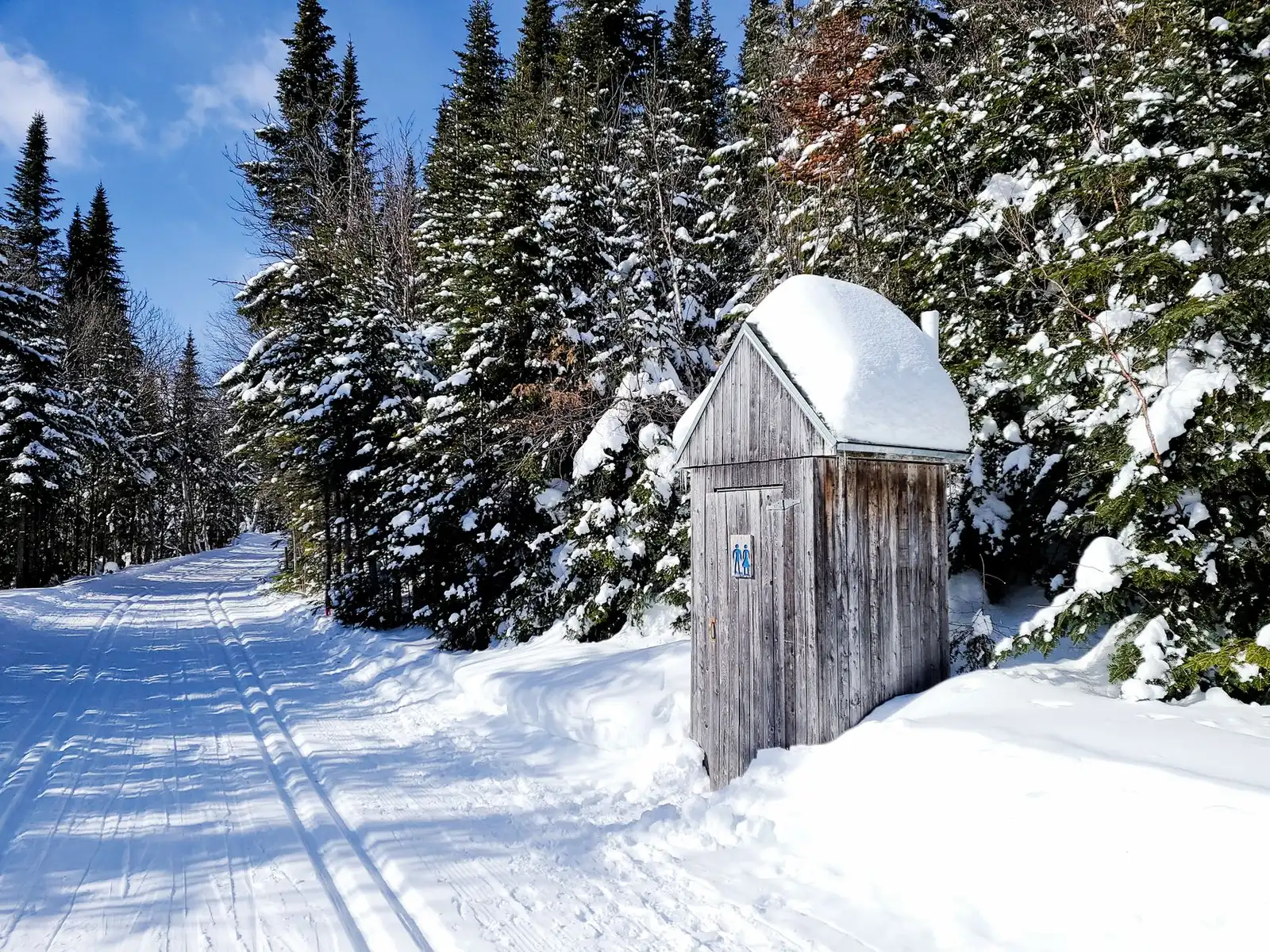
Keep porta potties away from entrances, windows and any food prep or seating area. There's no fixed federal distance number for this, so use judgment: uphill and downwind from anything people eat near, and never blocking a fire lane or exit path. If your crew works around paints, coatings or pesticides, OSHA 1926.51(f)(1) requires washing facilities for that specific contaminant exposure, which is a separate requirement from general toilet placement. Pair a handwashing station rental or a portable sink rental near that work area rather than by the porta potties themselves. If you're running an ozark river portable sink and need parts, that's a manufacturer question, not a placement one, but keeping the sink accessible for refill and drainage service matters just as much as the toilet layout. For events, our event restroom rental team in Denver typically groups units together near parking, about 30 to 40 feet from any serving tent, to keep lines from crossing foot traffic. Farms and agricultural operations follow a different standard: OSHA 1928.110 requires field sanitation within a quarter mile walk of hand-labor employees, one facility per 20 workers, which shapes placement across large properties differently than it does on a compact urban lot.
| unit | day | week | month |
|---|---|---|---|
| standard | 100 to 350 | 130 to 500 | 125 to 325 |
| ada | 200 to 400 | 120 to 240 | - |
| deluxe | 85 to 1200 | 150 to 290 | - |
Delivery fees run 100 to 500 dollars for a single day and drop to roughly 50 to 150 dollars a week when spread across a longer rental, so plan placement once rather than moving units mid-project. If your project also needs a storage container rental or a mobile office trailer rental on site, place those first since a mobile office trailer replacement doors situation is a lot easier to avoid than to fix after the trailer is boxed in by other equipment. Keep sightlines and access clear from day one.
How many porta potties does a construction site need?
OSHA 1926.51(c)(1) sets the baseline: one unit for crews of 20 or fewer, then one toilet seat and one urinal per 40 workers as the crew grows. Most Denver contractors round up rather than down. See OSHA portable toilet requirements for the full breakdown by crew size.
Can a porta potty sit on a sidewalk or street in Denver?
Placement in the public right of way needs confirming with the city before delivery. We recommend private-property placement whenever the lot allows it, since that sidesteps the permit question entirely and gets your unit delivered faster.
Does a septic pumping schedule affect where I place a holding tank?
Not directly, but access matters the same way. A residential septic tank is typically pumped every 3 to 5 years depending on tank size and household use, and our septic pumping service trucks need the same clear approach a porta potty service truck does.
What if my site is in a nearby town, not Denver proper?
We serve Glendale 7.4 miles southwest, Derby 8.2 miles north and Holly Hills 9.1 miles south from our Denver base, among other nearby communities. Visit Service Areas in Denver, CO for the full coverage list.
Who do I call for placement questions specific to my site?
Denver Porta Pros can walk your lot before delivery and flag clearance or access issues in advance. Start with Request a Quote or reach out through Contact with your site address and crew size.
Next step
Get a delivery date
Tell us the address, the dates and the headcount. We size the order and confirm the route.