
How Do Porta Potties Work?
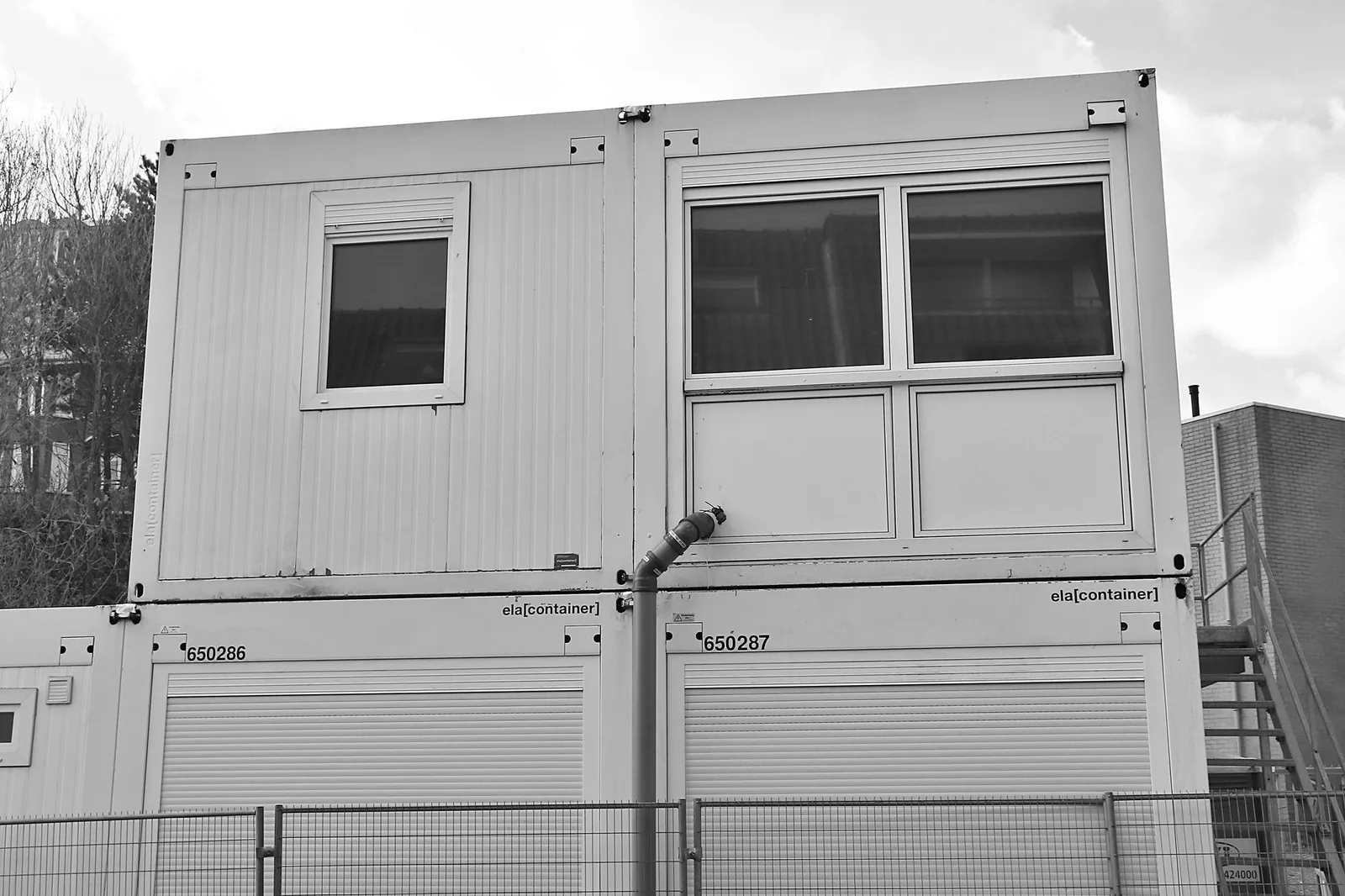
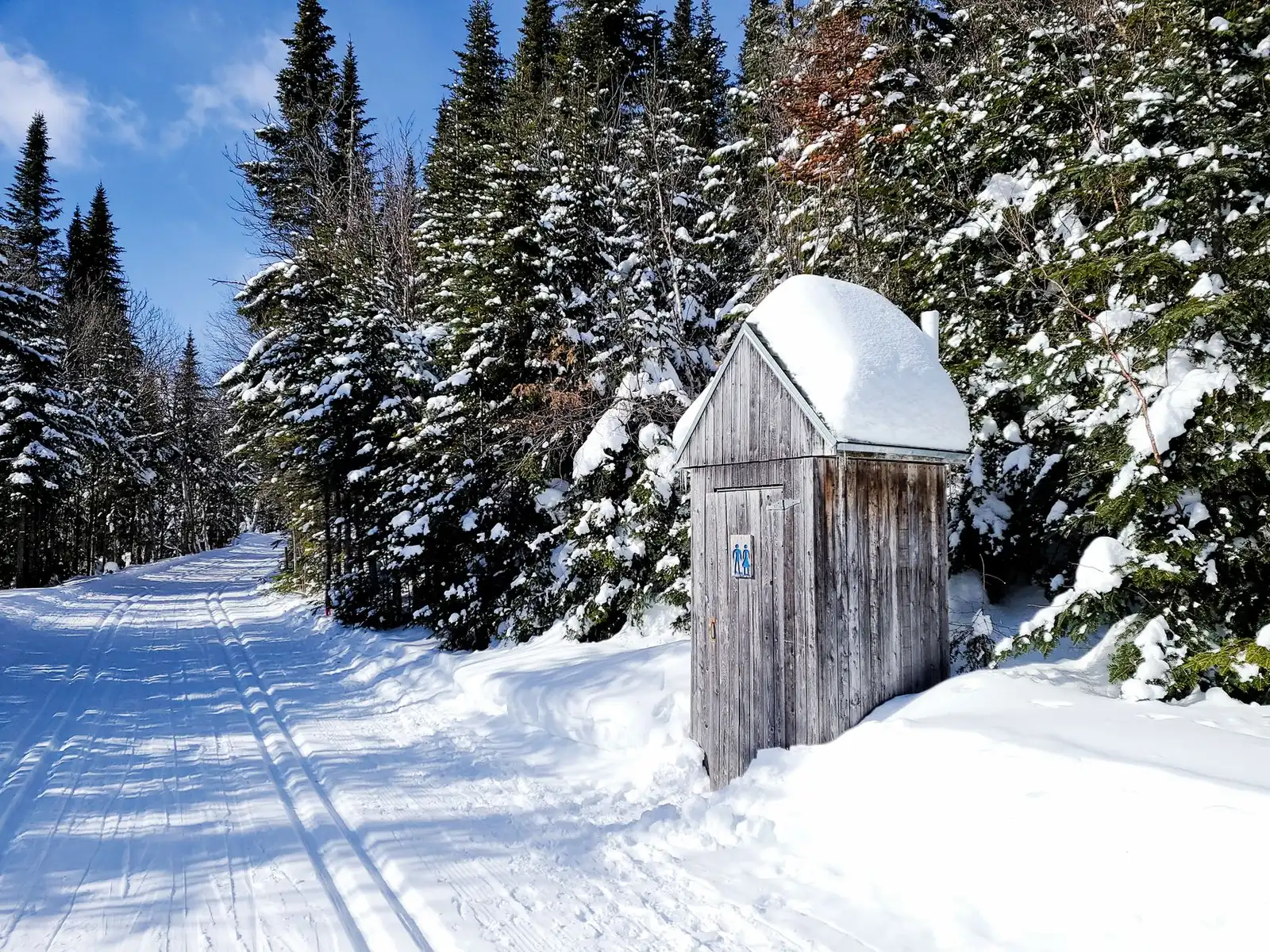
The basic unit is simple: a plastic shell, a seat, a holding tank underneath, and a vent stack that pulls odor up and out instead of into the stall. A standard unit runs about 44 by 48 inches on the ground and stands roughly 92 inches tall, per specs Denver Porta Pros uses across its standard porta potty rental line. Every flush-free trip drops waste straight into that tank, where the chemical charge goes to work breaking down solids and knocking back the smell. There's no water line and no sewer connection, which is why these units show up on job sites, at fairgrounds, and anywhere plumbing isn't an option. A construction worker heading to a porta potty on a Denver job site is walking to a self-contained unit, not a hookup. OSHA 1926.51(c) sets the toilet ratio for construction crews: one unit per 20 workers on smaller sites, scaling up as headcount grows. Service crews track fill level and swap out or pump the tank so the ratio holds up over a multi-week job, which matters more on a construction site services contract than a weekend rental.
How Does a Portable Sink Work?
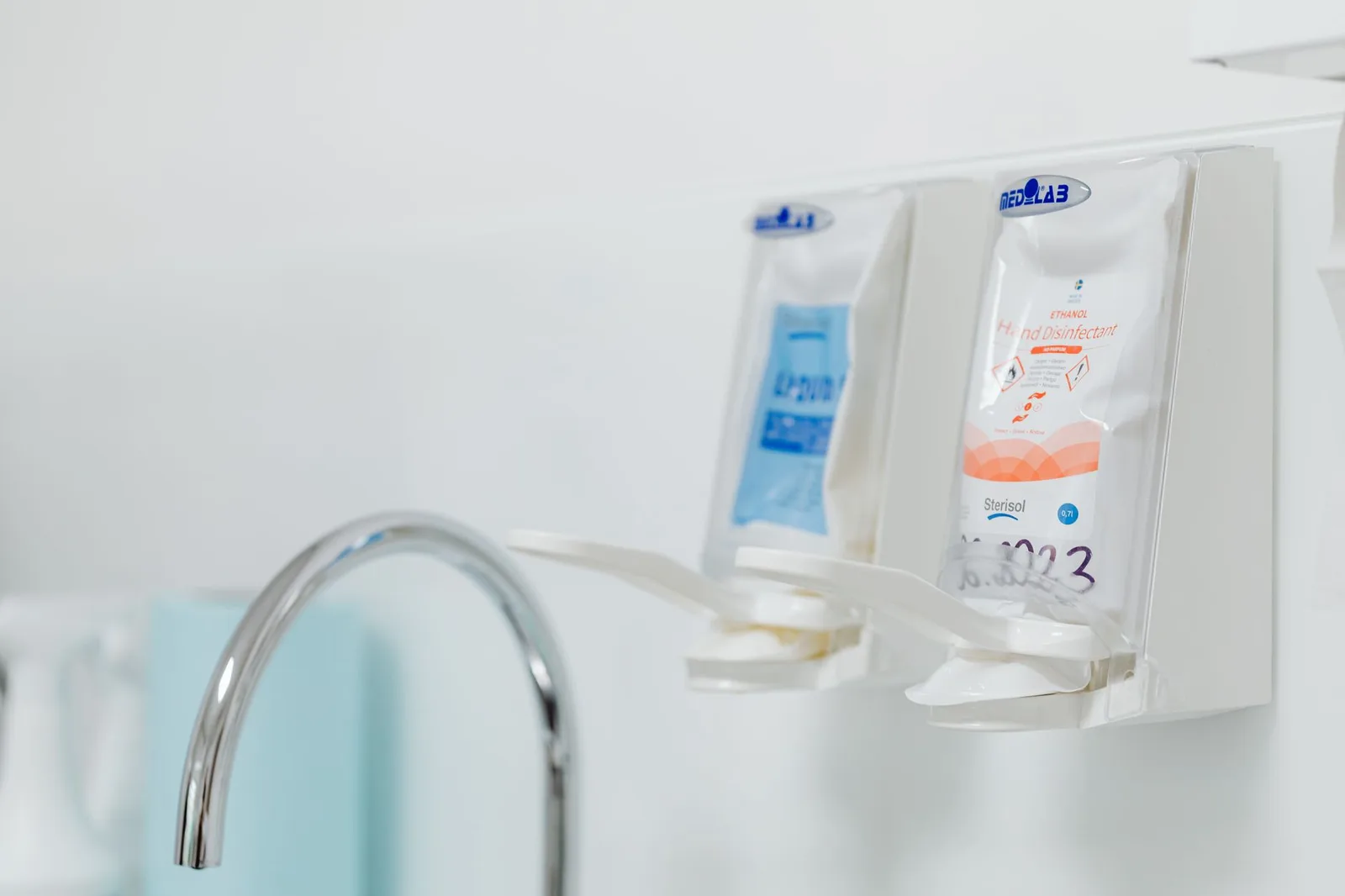
A portable sink works off a self-contained fresh water tank, a foot pump or gravity valve, and a gray water tank underneath to catch runoff. No pipes, no drain hookup. You fill the fresh tank, use the pump to get water to the spigot, and the used water drains into the holding tank below for later dump-out. That setup makes portable sink rental or a full handwashing station rental unit possible anywhere a crew is working, from a food truck lot to a framing site. Under 29 CFR 1910.141(d)(2), washing stations need actual soap and a towel or air dryer on hand; hand sanitizer alone doesn't satisfy that. That rule matters most after specific work: OSHA 1926.51(f)(1) requires washing facilities where crews are applying paints, coatings, herbicides or insecticides, since those jobs leave contaminants on hands that sanitizer won't cut. A lot of Denver crews pair a portable sink rental with their toilet order instead of running two separate deliveries.
How Do Flushable Porta Potties Work?
A flushable unit, often called a deluxe model, uses a small onboard freshwater reservoir and a hand or foot-pump flush that pushes a rinse of water into the tank after each use, instead of relying only on chemical breakdown. That extra plumbing is why a deluxe flushable porta potty rents higher than a standard unit and why it's the common upgrade for weddings and office-adjacent job sites in Denver. The flush mechanism still drains into a sealed holding tank, so a service tech pumps it out the same way as a standard unit, just more often if usage is heavy. For events wanting something closer to indoor plumbing without a full trailer, a restroom trailer rental or a 2 stall restroom trailer steps things up further, with sinks, real flush toilets, and climate control. Camping trips ask a version of this question too: a camping-style flushable unit works the same way, just scaled down for towing, and a camping porta potty rental gets set up at a site entrance rather than scattered through a campground.
Why Do Porta Potties Need Chemicals?
The blue chemical in a porta potty tank isn't cosmetic. It breaks down solid waste, controls bacterial odor, and keeps the tank from foaming when it's jostled during a delivery or pickup. Without it, a tank left in Denver's summer heat turns unpleasant fast, and portable toilet chemicals near me searches spike for a reason: the treatment has to get refreshed at every service visit, not just poured in once. ANSI/PSAI Z4.3 sets a baseline service interval of once a week for up to 10 users over a 40-hour week, which is the schedule Denver Porta Pros builds most standard rentals around, then adjusts up for high-traffic events. Service techs also handle the septic tank cleaning chemical side of larger jobs, since a lot of Denver properties on septic systems need the tank itself pumped every 3 to 5 years depending on household size and tank capacity, a separate service covered under septic pumping service and septic tank cleaning. Restaurants on the same septic lines often need a grease trap pumping visit too, since grease interceptors get pumped once fats, oils, grease and solids hit 25 percent of the liquid depth.
Pricing Snapshot
| Unit | Day | Week | Month |
|---|---|---|---|
| Standard porta potty | $100-$350 | $130-$500 | $125-$325 |
| ADA accessible unit | $200-$400 | - | - |
| Deluxe flushable unit | $85-$1200 | $150-$290 | - |
Exact quotes depend on jobsite location and rental length; the porta potty rental cost and monthly porta rental pages break down what drives the range. ADA units matter on any site with public access: ADA Standards 213.2 requires at least one accessible unit in any cluster, and 213.2 kicks in even at small counts, which is why an ADA accessible porta potty gets added to most multi-unit event orders in Denver.
Do porta potties smell?
They can, if service is skipped or the chemical charge runs low, but a properly serviced unit shouldn't smell strong. The vent stack pulls odor upward and out, away from the seat. See do porta potties smell for what drives odor and how service frequency fixes it.
How often are porta potties cleaned?
Most standard rentals get serviced weekly, based on the ANSI/PSAI Z4.3 baseline of one visit per week for up to 10 users. High-traffic events in Denver often need mid-week or daily service instead. Full detail is on how often are porta potties cleaned.
How many porta potties do I need for a job site?
OSHA 1926.51(c) sets one unit per 20 workers as the construction baseline, scaling up past that. Crew size, shift length and site layout all factor in. The how many porta potties do I need guide walks through the math for Denver job sites.
Can I place a porta potty on a public sidewalk or street in Denver?
That depends on right-of-way rules that need confirming directly with the city before delivery. Denver Porta Pros checks placement against city requirements as part of scheduling. See porta potty permit requirements for what to ask about before your delivery date.
Do camping porta potties work differently than job site units?
Not really, they're the same tank-and-chemical design, just smaller and easier to tow between sites. A camping porta potty unit gets serviced on a lighter schedule since usage is lower than a 40-hour work week.
Next step
Get a delivery date
Tell us the address, the dates and the headcount. We size the order and confirm the route.